A slab leak can mean water quietly escaping under your foundation for weeks, and the repair — plus the damage — adds up fast. Naturally, homeowners want to know: will insurance help? The honest answer is 'it depends,' but there are patterns worth understanding.
What's often covered
Many Texas homeowners policies cover the sudden water damage a slab leak causes, and frequently the cost to access the leak — the tear-out and repair of the slab and flooring needed to reach the pipe. This 'access' coverage can be significant, because breaking and restoring concrete is often the biggest line item.
What's often not covered
- The pipe repair itself is sometimes excluded, even when access is covered
- Gradual leaks the insurer decides you should have caught sooner
- Damage attributed to lack of maintenance or wear and tear
- The foundation itself, if movement is deemed a separate cause
Why documentation is everything
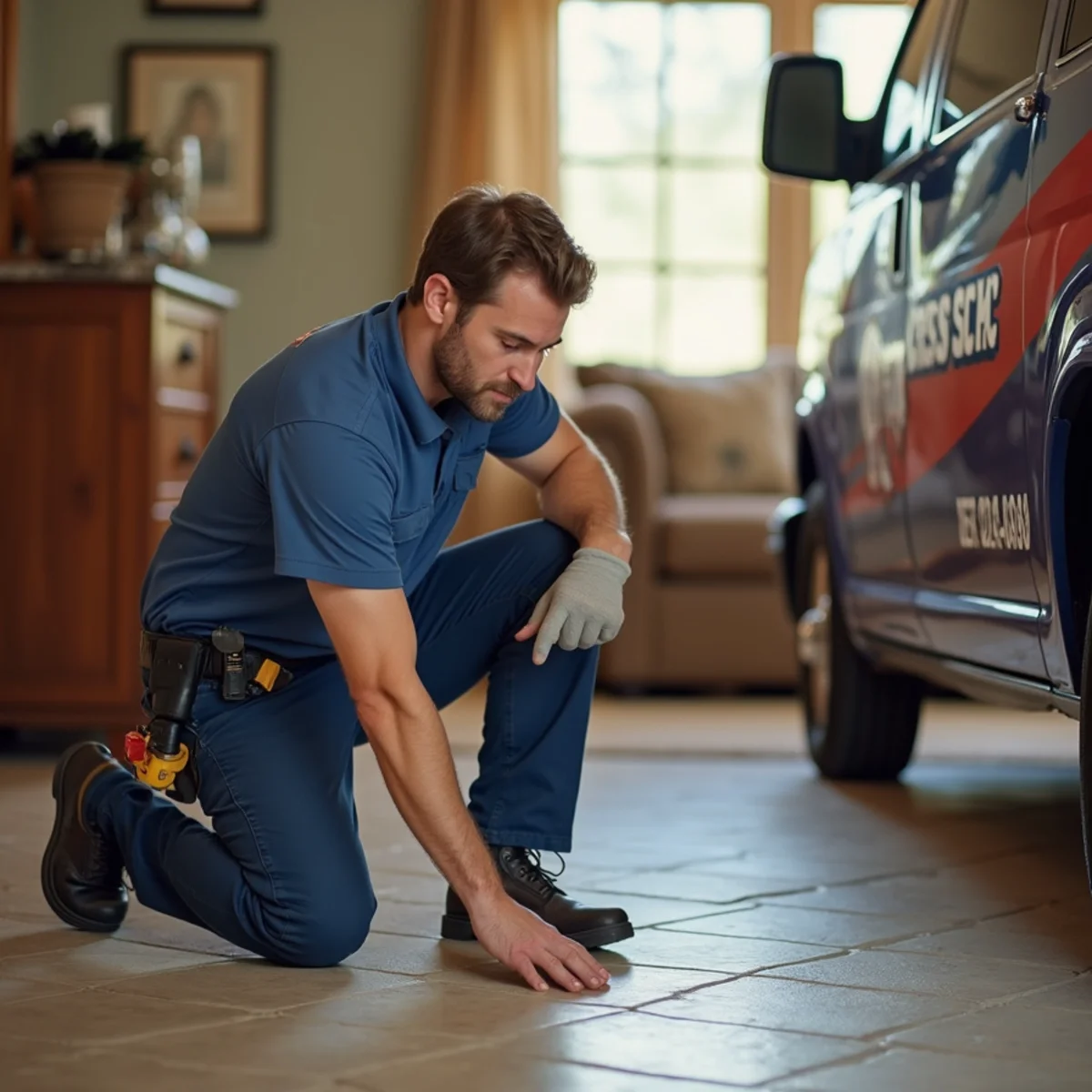
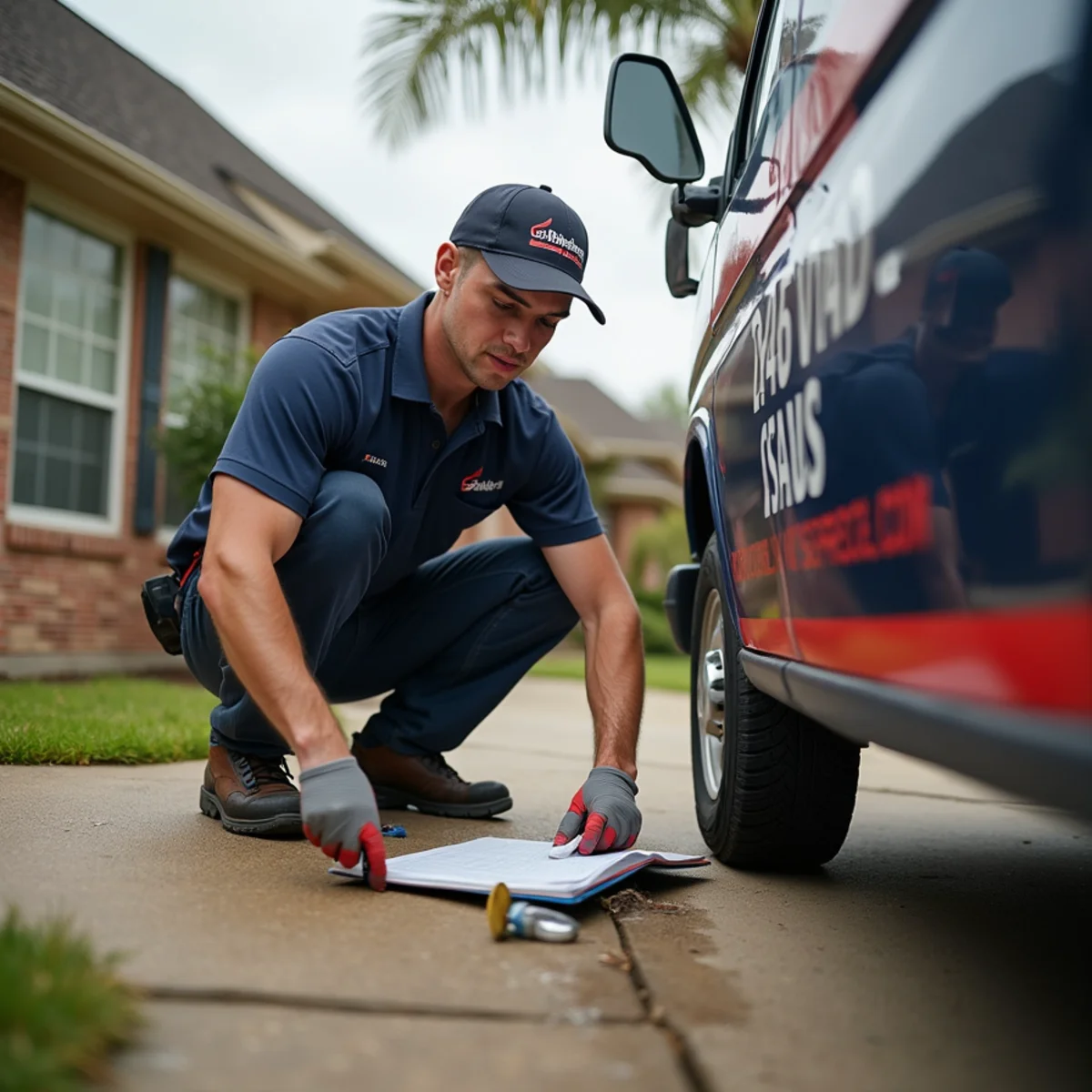
Whether a claim succeeds often comes down to documentation. When we perform slab leak detection and repair, we photograph the source, record our findings, and provide a written scope of the cause and the work. That's exactly the kind of record adjusters ask for, and it strengthens your position.
Steps to take when you suspect a slab leak
- Note the symptoms — a warm floor spot, a spiking bill, running-water sounds, or cracked flooring
- Call for professional leak detection to confirm and locate it precisely
- Photograph everything and keep all invoices and reports
- Contact your insurer per your policy and ask specifically about access coverage
- Get the repair-vs-reroute options in writing before any concrete is opened
Why slab leaks are common here
In Universal City, Converse, and across the region, expansive clay soil is a major driver. Clay swells and shrinks with moisture, and that movement stresses the copper embedded in slabs until it develops a pinhole leak. Older homes with aging under-slab copper are especially prone.
The bottom line
Insurance may cover more of a slab leak than you'd expect — especially the access costs — but only with solid documentation and a clear cause. Locate the leak first, document thoroughly, and know your policy. We'll handle the plumbing and the paperwork side; call (831) 290-4327.
How to Document a Slab Leak for Your Claim
Claims succeed or fail on documentation. Before anything is opened, we photograph the symptoms — the warm floor spot, the meter still spinning, the water bill — and record our detection findings that pinpoint the leak. That establishes a sudden, identifiable cause, which is exactly what adjusters look for, versus a vague 'it's been damp for a while.'
We keep the plumbing cause separate from the resulting damage in our written scope, because many Texas policies treat them differently — often covering the access and water damage while excluding the pipe repair itself. Handing your adjuster a clear, dated report of what failed, where, and what it took to reach it gives your claim its best shot.
Frequently Asked Questions
It can, depending on your insurer and claims history — that's a conversation to have with your agent before filing. For a small, inexpensive repair it's sometimes cheaper to pay out of pocket than to file. We give you the documented cost so you can make that call with real numbers.
It varies by policy. Many cover the water damage and the cost to access the leak (breaking and restoring the slab) but exclude the pipe repair itself. Read your policy's water-damage and 'tear-out' language, and ask your adjuster specifically about access coverage.
Gradual or long-term leaks are commonly excluded, which is why prompt detection and documentation matter. Catching it early — at the warm-spot or high-bill stage — and getting a dated professional report supports a 'sudden and accidental' position far better than waiting.
Cibolo Pro Plumbing
Licensed Texas plumbers (TX Master Plumber (TSBPE)) based in Cibolo, serving the Metrocom for 15+ years. Have a question about your home's plumbing? Call (831) 290-4327.