
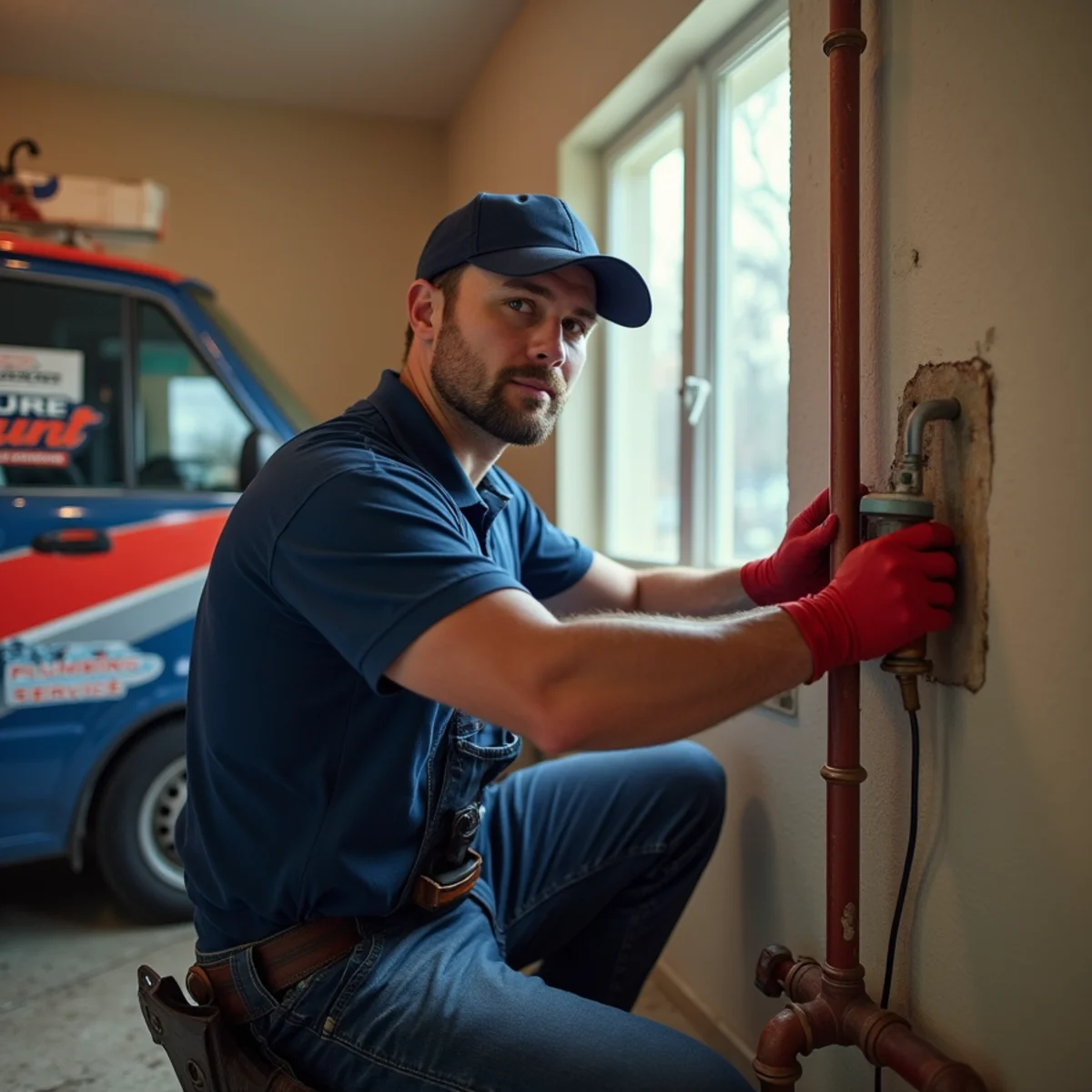
At some point, patching one leak after another costs more than solving the problem. If your older San Antonio-area home shows these signs, it may be time to stop chasing leaks and repipe. Here are the five clearest signals.
1. Rusty or discolored water
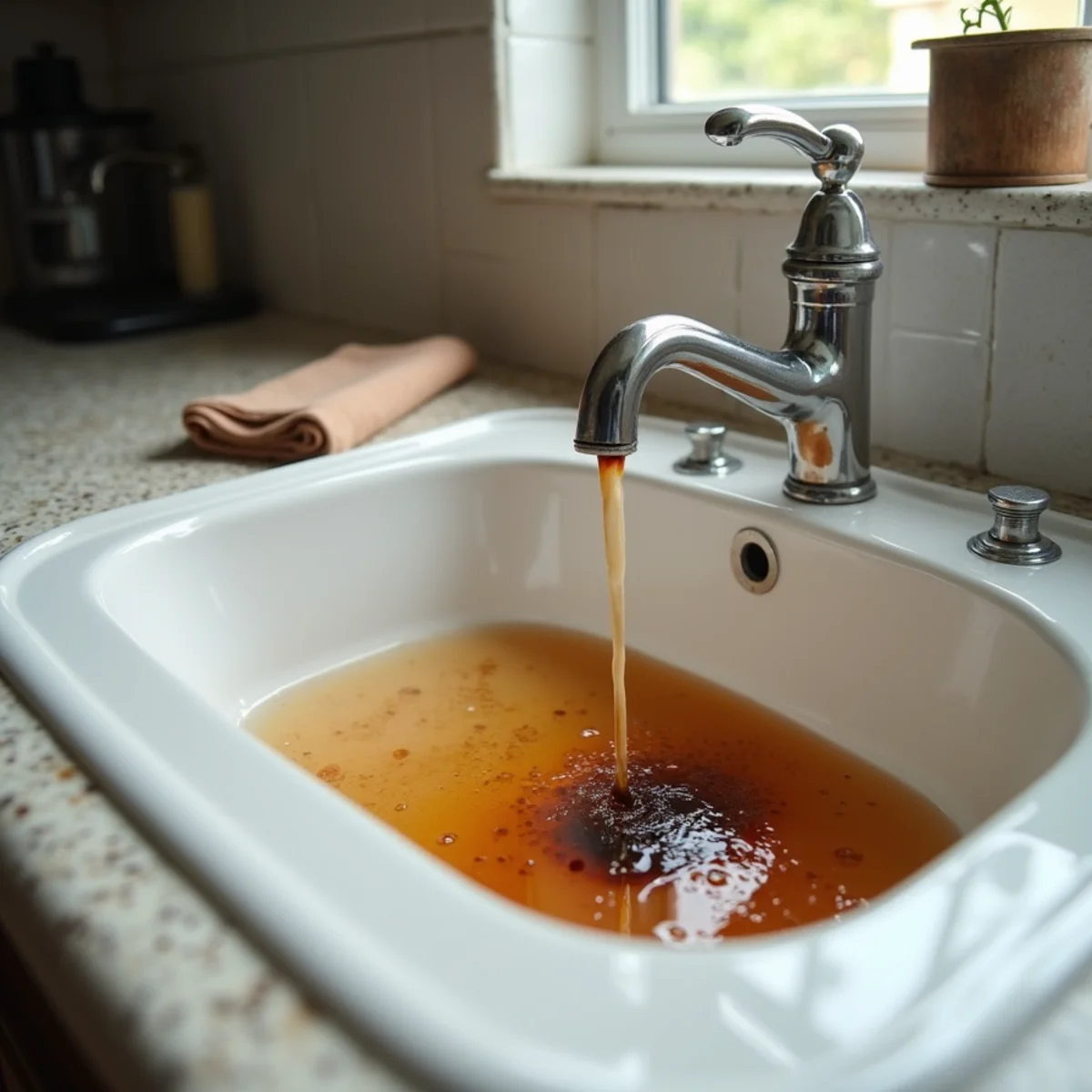
If your water runs brown, yellow, or metallic-tasting — especially first thing in the morning after it's sat in the pipes overnight — your supply lines are corroding from the inside. This is the classic sign of aging galvanized steel pipe, common in homes built before the 1970s.
2. Repeated pinhole leaks
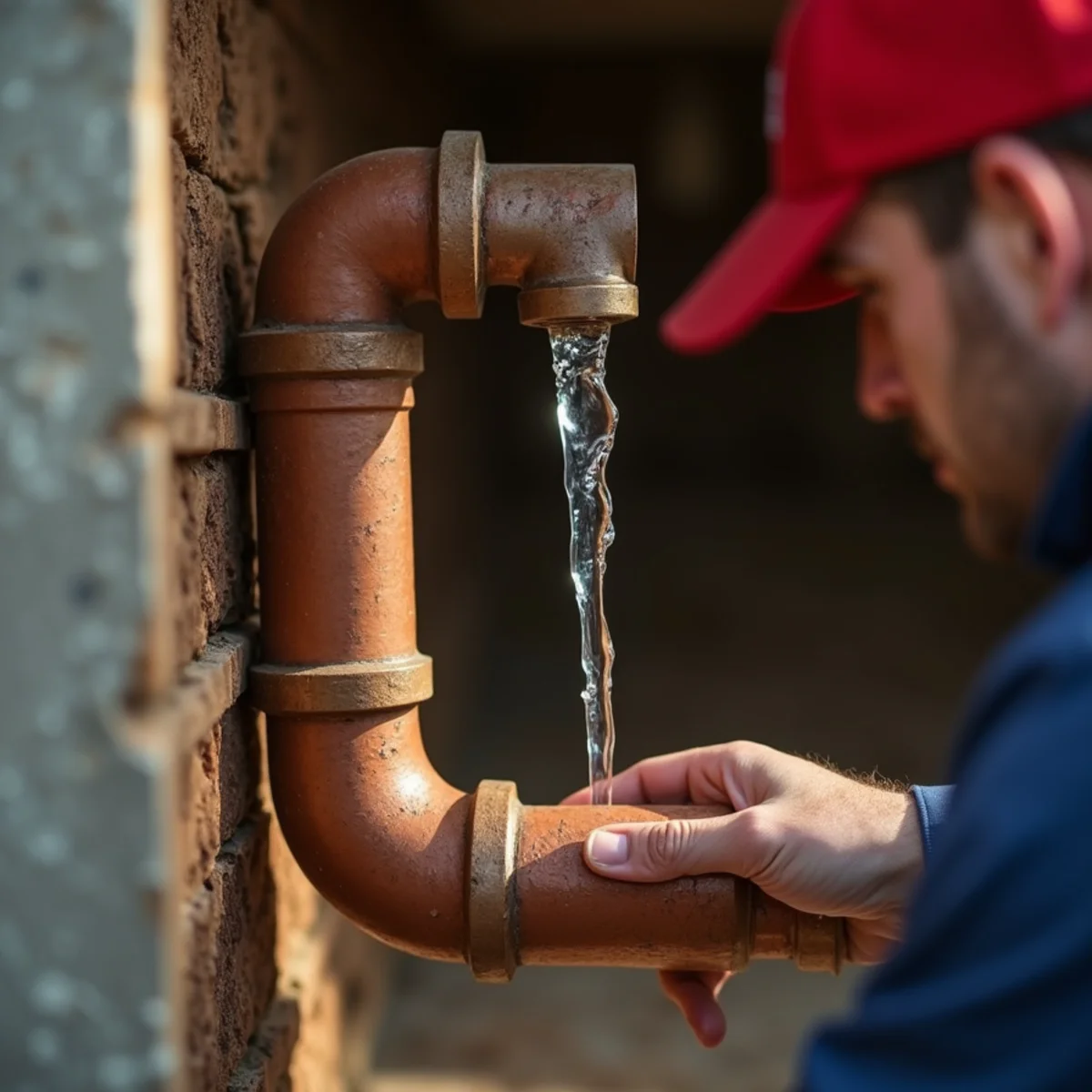
One leak is bad luck. A second and third in a year is a pattern — the pipe material is failing throughout, and fixing one spot just moves the next failure down the line. Copper develops pinhole leaks with age and water chemistry; polybutylene (common in 1980s–90s homes) fails unpredictably.
3. Low pressure that keeps getting worse
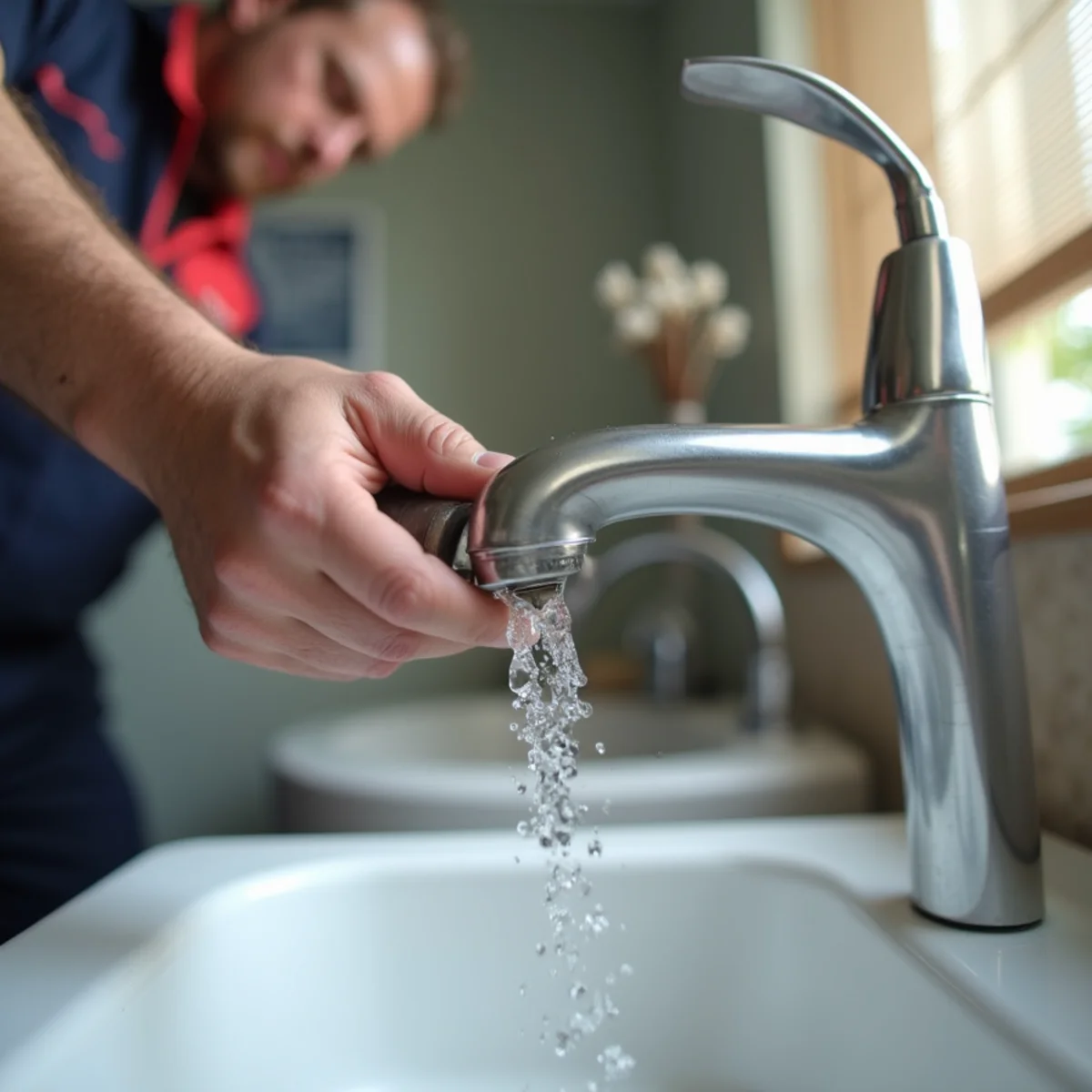
As corrosion and scale narrow the inside of your pipes, flow drops. If your pressure has declined over the years — and especially if it craters when two fixtures run at once — internal pipe restriction is a likely cause that a repipe solves.
4. You're always calling for leak repairs
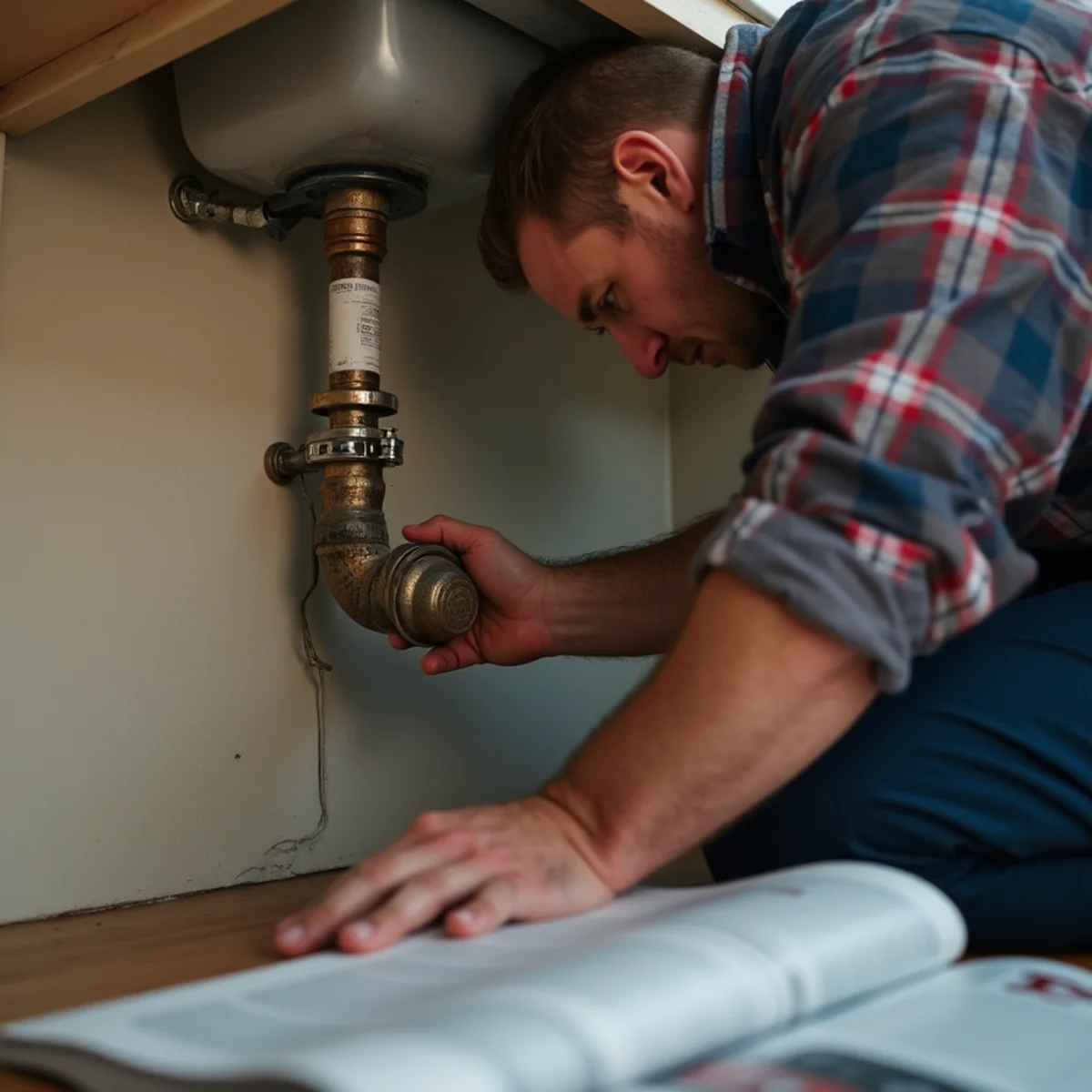
Add up what you've spent on leak detection and spot repairs over the past couple of years. If it's a recurring line item, that money is propping up a system at the end of its life. A repipe ends the cycle with a fixed, one-time cost.
5. Your home is simply old enough
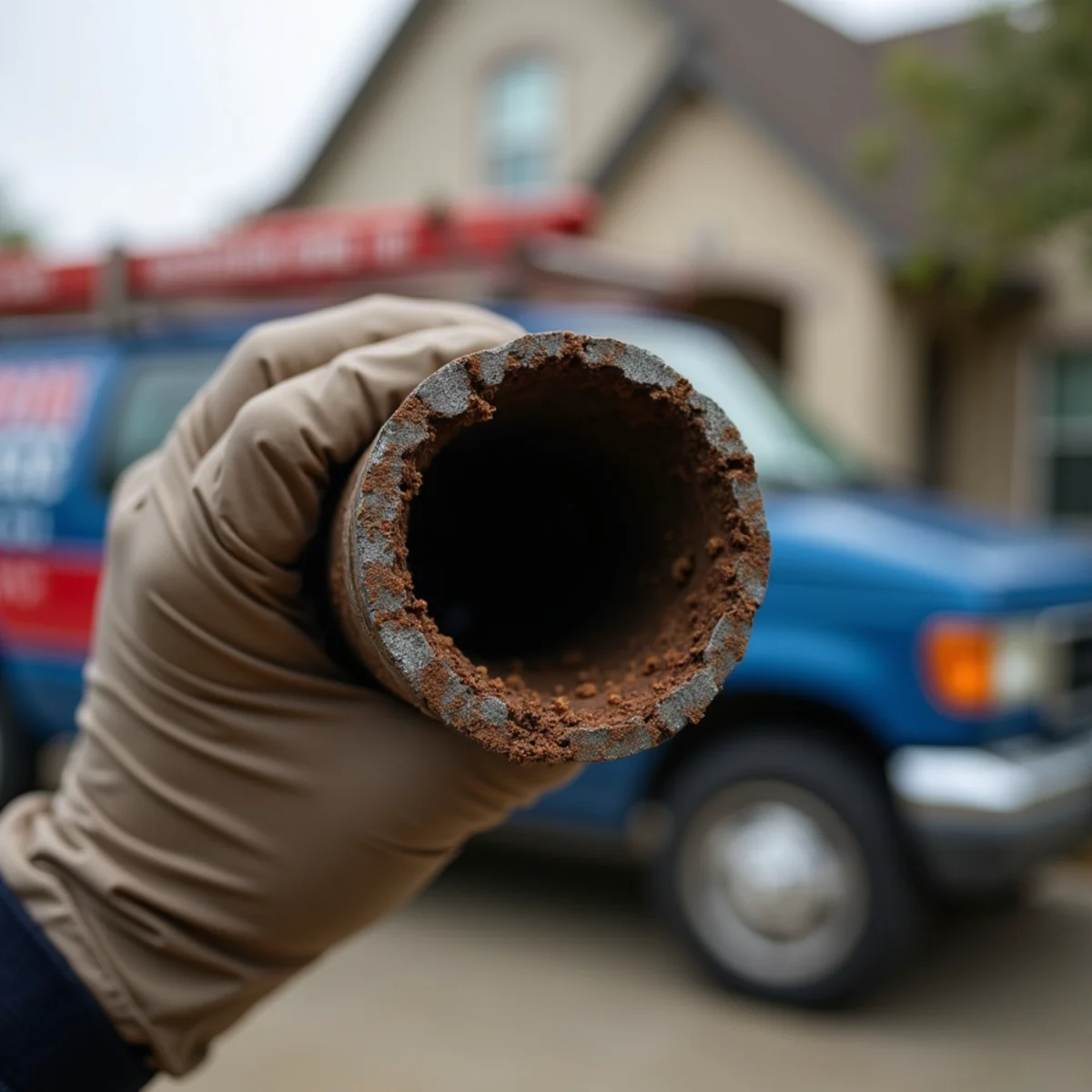
Galvanized pipe lasts a few decades and then fails; polybutylene should be replaced regardless of visible problems. If your home still has either, replacement with modern PEX is the smart, durable choice — PEX also resists the scale that hard water causes.
What a repipe actually involves
Most single-family homes are repiped in one to two days with planned, minimal drywall access — not a wall-by-wall teardown. You get a fixed written scope up front. Older homes in northeast San Antonio and Kirby are prime candidates, given their era and original piping.
Stop patching, start solving
If two or more of these signs sound familiar, it's worth a conversation. We'll assess your pipes and give you honest options. Call (831) 290-4327.
PEX vs. Copper for Your Repipe
Once you've decided to repipe, the material choice is the next question. We recommend PEX for most homes: it's flexible, installs faster with fewer joints to leak, resists the scale and corrosion that hard water causes, and costs less — which keeps the whole job affordable. It also handles a freeze better because it can expand slightly.
Copper is still an excellent, long-lived material and some homeowners prefer it, so we install it when you ask. The honest tradeoff: copper costs more and, in areas with aggressive water, can still develop pinhole leaks over decades. For a typical San Antonio-area home, PEX gives you the durability and value that make a repipe worth doing once.
Frequently Asked Questions
Most single-family homes are repiped in one to two days, with water off only during short, planned windows. Size, number of bathrooms, and access affect the timeline, and we give you a clear schedule with the written scope so you can plan around it.
Polybutylene (common in 1980s–90s homes) is prone to unpredictable failure and is widely flagged by inspectors and insurers. It doesn't fail on a schedule, so the safe move is to replace it proactively with PEX rather than wait for a leak inside a wall.
Insurance typically covers sudden water damage from a specific failure, not the planned replacement of aging pipe, which is considered maintenance. A repipe is usually an out-of-pocket investment — but it ends the repeat leak claims that can eventually raise your premium or threaten coverage.
Cibolo Pro Plumbing
Licensed Texas plumbers (TX Master Plumber (TSBPE)) based in Cibolo, serving the Metrocom for 15+ years. Have a question about your home's plumbing? Call (831) 290-4327.